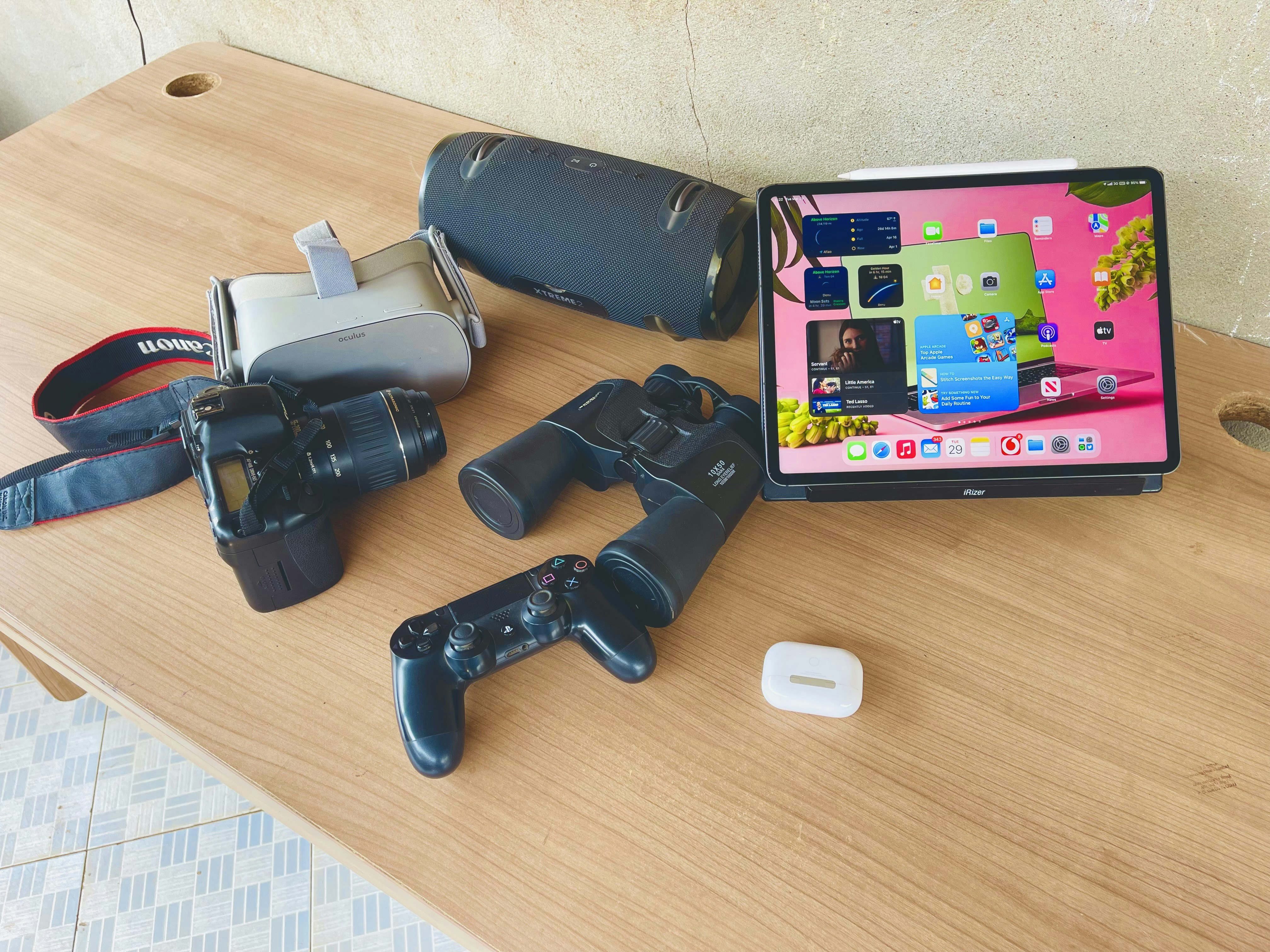
Introduction to Amazon’s Tech Marketplace
Amazon has cemented its position as a leading e-commerce platform, particularly in the realm of technological products. As consumers increasingly turn to online shopping, Amazon consistently emerges as a go-to destination for tech enthusiasts. According to recent statistics, technology items frequently dominate the best-selling charts, reflecting consumer preference and trust in the platform. In fact, a report highlighted that approximately 40% of all online sales in the electronics category occur on Amazon, emphasizing its considerable influence in shaping market trends.
The diversity of technological products available on Amazon is staggering. From the latest smartphones and laptops to smart home devices and wearable technology, the platform offers an extensive array of options that cater to various consumer needs. This eclectic inventory not only encompasses renowned brands but also features a multitude of innovative new companies that are making their mark in tech. Consequently, customers benefit from both established products and cutting-edge technology, creating a dynamic shopping environment.
Moreover, customer reviews and ratings play a pivotal role in purchasing decisions within Amazon’s tech marketplace. With millions of customer reviews available, potential buyers are empowered to make informed choices based on real user experiences. Research indicates that around 70% of consumers read product reviews prior to making a purchase, and a product’s rating can significantly affect its sales performance. This emphasis on customer feedback not only builds trust among shoppers but also enables sellers to enhance their offerings continually. As such, the intersection of vast product variety and a robust review system propels Amazon to the forefront of the technological marketplace.
Trending Categories of Tech Products
In the rapidly evolving landscape of technology, Amazon has emerged as a leading marketplace for consumers seeking the latest innovations. Several categories of tech products are currently trending, demonstrating a significant shift in consumer preferences and highlighting notable advancements within the industry.
One prominent category is smart home devices. These products enhance the convenience and efficiency of everyday life. Smart speakers, such as the Amazon Echo, provide users with voice-controlled assistance for tasks ranging from playing music to managing household routines. Additionally, smart thermostats, like the Nest Learning Thermostat, allow for energy-efficient climate control based on user habits, showcasing the growing trend towards home automation.
Wearables also stand out as an increasingly popular category. Devices like smartwatches and fitness trackers have gained traction among health-conscious consumers. The Apple Watch, for example, not only functions as a timepiece but also tracks physical activities, heart rate, and offers notifications, bridging the gap between technology and personal well-being. With the increasing emphasis on fitness, wearables have become integral to maintaining a healthy lifestyle.
Meanwhile, personal electronics continue to drive significant consumer interest. Laptops and tablets, especially those that offer portability and performance, play a pivotal role in remote work and education. The rise of high-performance devices, such as the Microsoft Surface Pro, indicates a demand for versatile technology capable of supporting complex applications and multitasking.
Lastly, the computers category remains essential in the tech market. With advancements in processing power and storage solutions, consumers are opting for customized setups. Products like gaming PCs and high-end workstations cater to niche markets, highlighting the diverse needs of modern users. As technology progresses, these trending categories not only reflect consumer preferences but also indicate future developments in the tech industry.
Customer Reviews: The Driving Force Behind Sales
In the competitive landscape of e-commerce, customer reviews play a pivotal role in determining the success of technological products on platforms like Amazon. With a vast array of choices available, potential buyers often turn to reviews as a primary source of information to guide their purchasing decisions. The importance of ratings cannot be overstated, as they serve not only as a reflection of product quality but also as a trust signal for prospective customers.
Positive reviews tend to enhance the credibility of a product and significantly influence its sales. A high rating can lead to increased visibility in search results and better positioning within the Amazon marketplace. Research shows that products with higher ratings are more likely to be favored by consumers over their lower-rated counterparts. Additionally, customer feedback offers invaluable insights, highlighting features that stand out and potential shortcomings that could deter buyers.
Interestingly, the impact of customer reviews transcends mere star ratings; the content of these evaluations can sway buyer sentiment. Thoughtful comments detailing user experiences provide an in-depth context that ratings alone cannot convey. For instance, a consumer may mention the long battery life of a tech gadget or praise the exceptional customer service from the seller. Such specifics resonate with prospective buyers, leading to more informed purchase decisions.
Numerous top-reviewed products exemplify this trend. For example, the latest smartwatch model not only boasts a high customer rating but also features thousands of glowing reviews praising its functionality and style. Similarly, the best-selling wireless earbuds have accumulated numerous positive testimonials regarding sound quality and comfort. Such reviews not only boost sales but also cultivate a loyal customer base eager to share their experiences.
Future Trends in Technology Product Sales
The landscape of technology product sales on platforms like Amazon is continuously evolving, driven by advancements in technology and shifting consumer behaviors. As we look to the future, several trends are expected to shape the marketplace. Among these, the increasing reliance on artificial intelligence (AI) and the Internet of Things (IoT) are significant. These technologies are not only enhancing product functionality but are also creating new categories of products that are likely to see spikes in sales.
Current sales data on Amazon indicate a growing interest in smart home devices, such as smart speakers, security cameras, and thermostats. As consumers become more accustomed to integrating technology into their daily routines, the demand for these products is expected to rise. In particular, the convenience of controlling various aspects of home life through a single device is appealing. Furthermore, innovations in wearable technology are likely to attract heavy consumer interest, with products like fitness trackers and smartwatches becoming indispensable companions for health-conscious individuals.
Another emerging trend is the shift towards eco-friendly and sustainable technology products. As environmental awareness grows among consumers, products that are energy-efficient or made from sustainable materials are likely to gain traction. This aligns with a broader movement towards responsible consumerism, where buyers seek out products that minimize their ecological footprint.
Consumer behavior is also shifting towards a preference for personalized shopping experiences. Data analytics and AI algorithms are becoming essential tools for vendors. They enable sellers to tailor recommendations based on individual browsing and purchasing histories, thereby enhancing the likelihood of sales conversion.
Overall, the future appears promising for technology product sales on Amazon, with a convergence of innovative technologies, changing consumer preferences, and the importance of sustainability. It remains to be seen which products will emerge as top-sellers, but the trajectory suggests that those aligning with these trends will have a distinct advantage in the marketplace.